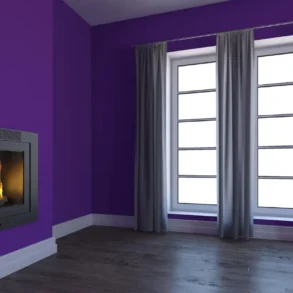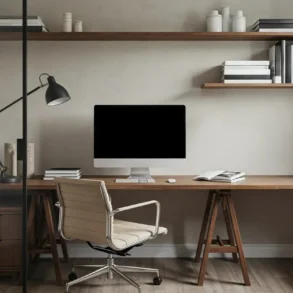



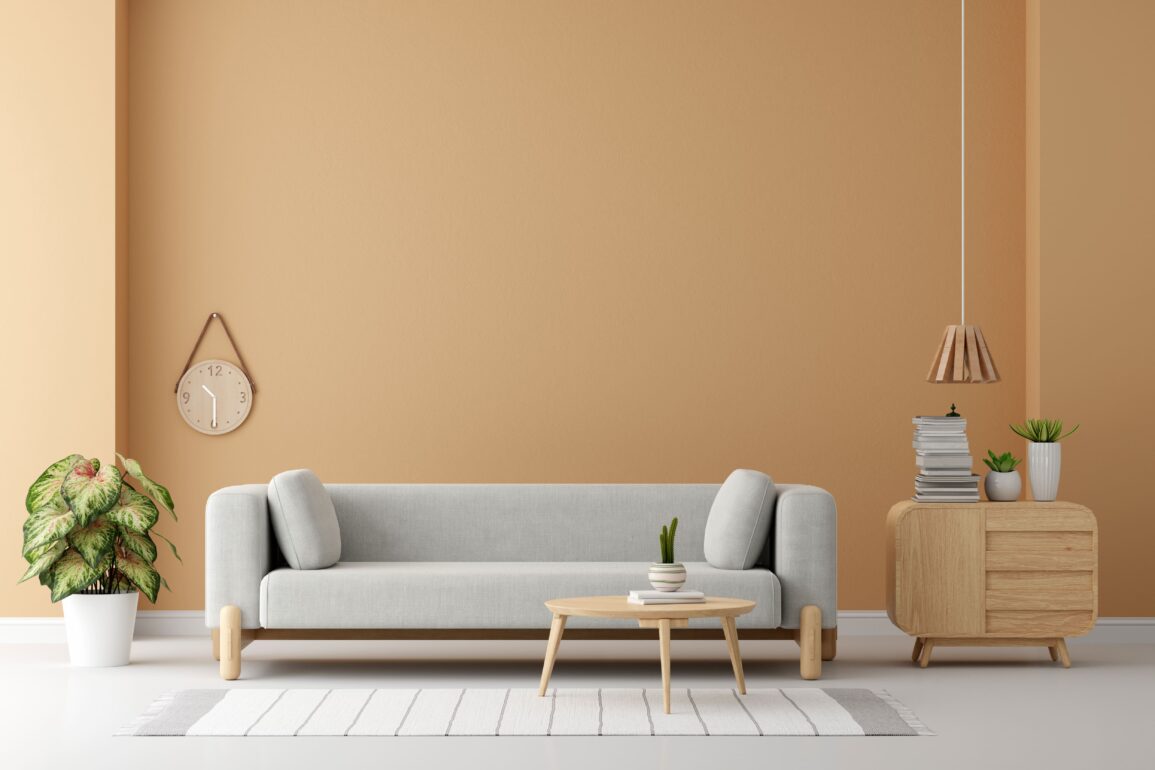
Furniture looks beautiful in photos. Clean lines, perfect colors, and stylish shapes fill social media and store catalogs. Yet many pieces that look great fail in daily life. They scratch easily, feel uncomfortable after an hour, collect dust in hard-to-reach places, or simply do not fit how people actually live. Choosing furniture that works for real life means thinking beyond appearance. It means selecting pieces that stay useful, comfortable, and sturdy through ordinary days, busy weeks, and years of use.
The tips below help anyone, anywhere in the world, pick furniture that supports real living instead of just decorating a room.
Start with how the space is really used
Before looking at styles or colors, think about daily life in the room. Who uses the space? How often? What happens there? A living room used for quiet reading needs different furniture from one that hosts family gatherings, children playing, or pets moving around. A dining table for occasional meals differs from one used every day for homework, work, and eating.
Walk through the room and notice patterns. Where do people sit most? Where do bags, shoes, or toys collect? Which areas get heavy traffic? Furniture should support these habits rather than fight them. Pieces that look elegant but block movement or force awkward sitting will frustrate people quickly.
Measure carefully and plan the layout
Beautiful furniture becomes useless if it does not fit. Measure the room, doorways, and hallways before buying. Note the exact space available, including height for tall pieces. Leave room for people to walk comfortably around furniture. Crowded rooms feel stressful even when the pieces look stylish.
Sketch a simple floor plan or use free online tools. Place the largest items first, such as sofas, beds, or tables. Then add smaller pieces. Check that doors and drawers can open fully. Good flow matters more than filling every corner. Empty space often makes a room feel better than extra furniture that creates clutter.
Prioritize comfort and daily function
Looks fade in importance when a chair hurts the back after thirty minutes or a sofa cushions sink too quickly. Sit on pieces whenever possible. Test the height of tables and the depth of seats. Check whether armrests support the body naturally. For beds, lie down and notice support. For desks, consider posture during longer work sessions.
Function comes next. Does the piece serve its main purpose well? A coffee table should hold drinks and books without tipping. Storage furniture should open smoothly and hold what people actually need. Multi-use pieces often work best in smaller homes: a sofa bed for guests, an ottoman with hidden storage, or a dining table that extends when needed. Real-life furniture solves problems instead of creating new ones.
Choose materials that handle real wear
Some materials look refined but demand constant care. Soft fabrics show every mark. Light woods scratch easily. Delicate finishes suffer from everyday spills and sunlight. For busy homes, stronger options usually last longer. Tightly woven fabrics, performance textiles, solid wood with protective finishes, metal frames, and quality laminates often hold up better.
Think about cleaning. Homes with children, pets, or frequent guests benefit from surfaces that wipe clean easily. Removable covers help. Darker colors or patterned fabrics hide small stains better than pale solids. Outdoor furniture needs weather resistance. Kitchen and bathroom pieces should handle moisture. Matching the material to the actual conditions of the space prevents early disappointment.
Think about long-term value instead of short-term trends
Trends change quickly. A bold shape or color that feels current today may look dated in a few years. Classic proportions and neutral bases often stay useful longer. Accents and smaller items can bring personality without locking an entire room into one style.
Quality construction matters more than brand names. Check joints, padding density, and hardware. Wobbly legs, thin cushions, or weak mechanisms fail faster. Spending a bit more on durable pieces usually costs less over time than replacing cheap furniture repeatedly. Ask about warranties and care instructions. Pieces built to last reduce waste and save money.
Consider maintenance and everyday practicality
Furniture that needs special cleaners, constant rearranging, or careful handling becomes a burden. Choose items that fit normal cleaning routines. Avoid designs with many small crevices that trap dust if regular deep cleaning is difficult. Lightweight pieces help when rooms need rearranging. Modular options allow changes as needs shift.
For households that move often or rent, furniture that disassembles easily or fits through standard doors proves useful. In permanent homes, heavier solid pieces can feel more stable. Match the choice to lifestyle rather than an ideal image.
Balance personal taste with practical needs
Style still matters. Rooms should feel pleasant and reflect the people who live there. The goal is not to ignore looks completely. The goal is to let function lead and style follow. Start with pieces that meet the practical tests of size, comfort, durability, and use. Then select colors, textures, and shapes that feel right within those limits.
Mix materials and styles carefully so the room feels cohesive without being rigid. A sturdy sofa in a timeless shape can pair with interesting side tables or lighting. This approach creates spaces that look good and work well at the same time.
Test before committing when possible
Photos and online descriptions hide important details. Visit stores to feel fabrics, test sit, and check construction. If buying online, read recent reviews that mention real use over time. Look for comments about durability, comfort after months, and ease of cleaning. Return policies provide safety for remote purchases.
For custom or larger investments, ask detailed questions about materials and build quality. Samples of fabric or finish help avoid surprises.
Plan for change over time
Life changes. Families grow, work habits shift, and needs evolve. Flexible furniture adapts better than fixed, highly specific pieces. Modular sofas, adjustable tables, and storage that can move between rooms keep options open. Avoid filling every space at once. Leave room to adjust as real patterns of living become clearer.
Choosing furniture for real life means paying attention to how people actually move, sit, work, rest, and gather. It means measuring carefully, testing comfort, selecting durable materials, and thinking beyond the first impression. Beautiful rooms are possible when the pieces also support daily living without constant fuss or early replacement. Start with the most-used rooms and the biggest items. Apply these practical checks one piece at a time. The result is a home that looks welcoming and functions smoothly for the people who live there every day.