


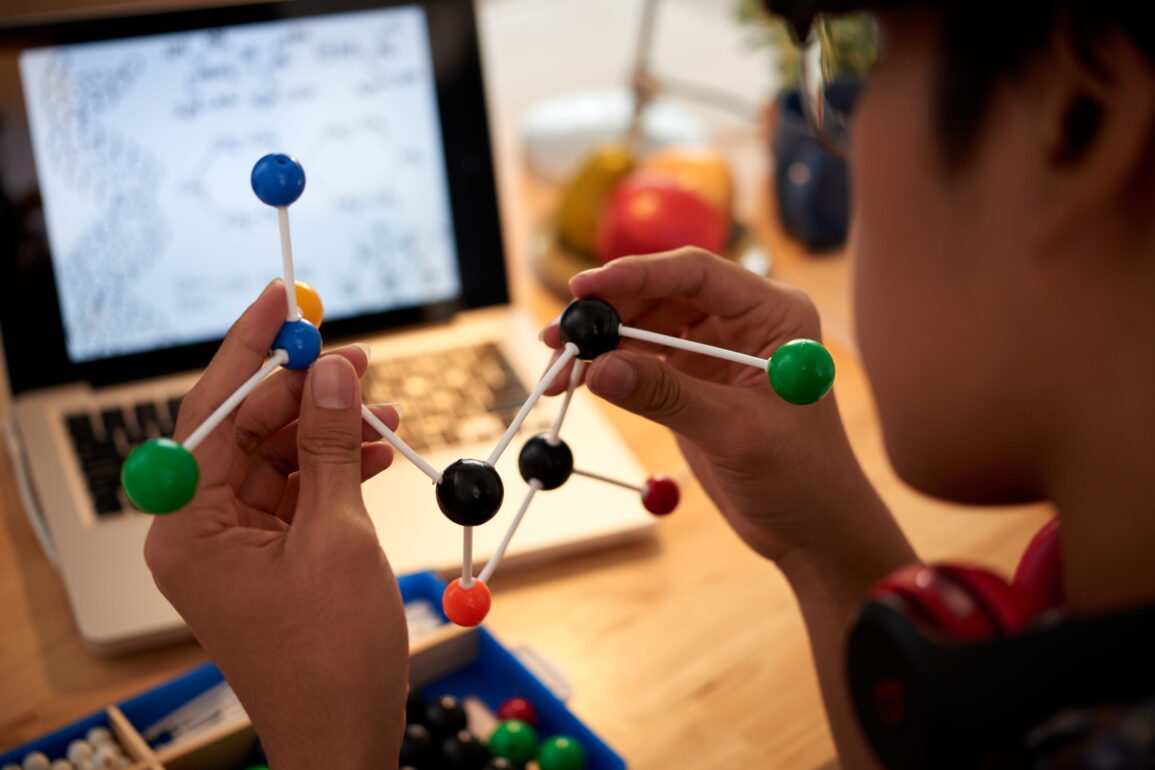
Energy keeps the modern world running. It lights homes, powers factories, moves vehicles, and supports farms and hospitals everywhere. Different energy sources work in different ways, but they all follow the same basic rules of physics. Energy cannot be created or destroyed—it only changes from one form to another. Understanding those changes helps people everywhere make smarter choices about how energy is produced and used.
Here are practical ways to understand the main energy sources and the simple physics that power them.
Start with the big idea: energy changes form.
Every energy source takes some kind of stored or incoming energy and turns it into heat, motion, or electricity that people can use. The first law of thermodynamics says the total amount of energy stays the same. The second law reminds us that some energy always spreads out as less useful heat during the process. No conversion is perfect, so efficiency always matters.
Fossil fuels store ancient chemical energy.
Coal, oil, and natural gas come from plants and tiny sea creatures that lived millions of years ago. Over time, heat and pressure underground turned that material into dense fuels. When burned, the chemical bonds in the fuel break and reform with oxygen. This releases heat energy that was locked away long ago. The heat boils water into steam, the steam spins turbines, and the turbines drive generators that produce electricity. The same chemical energy can power car engines through controlled explosions that push pistons. These fuels pack a lot of energy into a small volume, which is why they still dominate global use. The downside is that burning them releases carbon dioxide and other gases that change the atmosphere.
Nuclear energy comes from the nucleus of atoms.
In nuclear power plants, atoms of uranium are split in a controlled chain reaction called fission. When a neutron hits a uranium atom, the atom breaks into smaller pieces and releases more neutrons plus a large amount of energy. A tiny bit of mass turns into energy, following Einstein’s famous relationship. That energy appears as intense heat. The heat turns water into steam, which spins turbines and generators just like in a fossil-fuel plant. Nuclear fuel holds millions of times more energy by weight than coal or oil, so a small amount of fuel can produce a great deal of electricity for a long time. Careful control of the reaction and safe handling of the leftover material are essential.
Solar energy arrives as light and heat from the sun.
The sun produces energy through nuclear fusion deep in its core, where hydrogen nuclei join to form helium and release enormous amounts of light and heat. That radiant energy travels through space and reaches Earth. Solar panels use the photovoltaic effect: when photons of light hit certain materials, they knock electrons loose and create an electric current. Other systems collect the sun’s heat to warm water or create steam for turbines. Solar energy is available almost everywhere during daylight hours, though the amount changes with weather, season, and location. Storing the energy for nighttime or cloudy days remains an important practical challenge.
Wind energy is moving air set in motion by the sun.
Uneven heating of Earth’s surface creates differences in air pressure. Warm air rises and cooler air rushes in to take its place, producing wind. Wind turbines catch that kinetic energy with large blades. The spinning blades turn a shaft connected to a generator, converting motion into electricity. The physics is straightforward: the faster the wind and the larger the blades, the more energy can be captured. Wind power works best in open or elevated places with steady breezes. Because the wind itself is free and constantly renewed by solar heating, the main costs come from building and maintaining the turbines.
Hydropower uses the gravitational potential energy of water.
Water high up in a reservoir or flowing down a river holds potential energy because of its height. When the water is allowed to fall or flow through turbines, that potential energy becomes kinetic energy—the energy of motion. The moving water spins the turbines, which drive generators. The greater the height difference (the “head”) and the larger the volume of water, the more electricity can be produced. Hydropower is reliable where rivers or rainfall provide a steady supply, but building large dams can change local landscapes and ecosystems.
Geothermal energy taps heat from inside Earth.
Deep underground, residual heat from the planet’s formation and ongoing radioactive decay keep rock and water hot. In places where this heat is close to the surface, hot water or steam can be brought up and used to spin turbines or heat buildings directly. The physics is thermal energy transfer: heat flows from hotter material to cooler material. Geothermal systems work especially well in volcanic regions, but the resource exists under most of the planet at greater depths.
Biomass energy is chemical energy from living or recently living material.
Wood, crop waste, and other plant matter contain energy captured through photosynthesis. Plants use sunlight to turn carbon dioxide and water into sugars and other compounds. Burning biomass releases that chemical energy as heat, similar to fossil fuels but on a much shorter time scale. The cycle can be renewable if new plants grow to replace what is used. The same chemistry that powers a wood stove can also produce liquid fuels or biogas for engines and power plants.
Tidal and wave energy draw on gravity and motion.
The gravitational pull of the moon and sun, combined with Earth’s rotation, creates the rise and fall of tides. Moving water in tides and waves carries kinetic energy that can turn turbines. These sources are highly predictable but limited to coastal areas with strong tidal ranges or consistent wave action.
Practical tips for thinking about energy sources.
Compare energy density: nuclear and fossil fuels pack a lot of energy into small amounts of material, while solar and wind are more spread out and need larger collection areas. Look at reliability: some sources deliver power steadily; others depend on weather or time of day. Consider the full chain of conversion—every step loses some energy as heat, so fewer steps usually mean higher efficiency. Remember that most renewable sources ultimately trace back to the sun, either directly as light or indirectly through wind, water cycles, and plant growth. Geothermal and tidal energy are the main exceptions.
Understanding these processes helps communities choose mixes of sources that fit their geography, climate, and needs. No single source solves every problem. A balanced approach that matches local conditions with the underlying physics tends to work best. By seeing energy as a series of useful transformations rather than a mysterious force, people everywhere can make clearer decisions about how to power daily life while managing the effects on the planet we all share.