
A small living room can feel cramped, dark, and limited. Many people assume the only solution is a big renovation or moving to a larger home. The truth is that simple, low-cost changes can make a small space feel significantly more open, airy, and comfortable. These tips work in apartments, houses, and any size of living room around the world. They require no structural work, no big budgets, and can often be done in a weekend.
Here are practical ways to make a small living room feel bigger.
1. Choose light colors for walls and ceilings
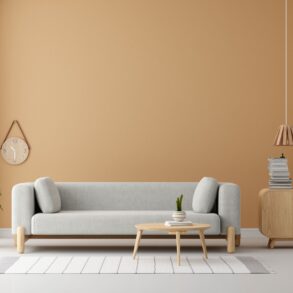
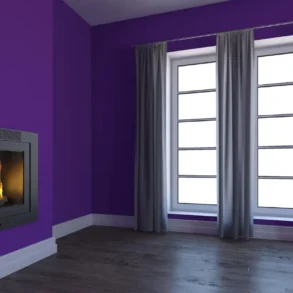
Light colors reflect light and make walls appear farther apart. Soft whites, light grays, pale beiges, soft blues, or gentle greens create a sense of openness. Painting the ceiling the same light color (or slightly lighter) as the walls helps the room feel taller. Dark colors absorb light and can make the space feel closed in. If painting the whole room is not possible, even painting one accent wall in a lighter shade or using light-colored wallpaper can help.
2. Maximize natural light
Natural light is one of the strongest tools for opening up a room. Keep windows clear of heavy curtains or dark blinds. Use sheer curtains, light-filtering shades, or leave windows bare when privacy allows. Clean windows regularly so more light enters. Place mirrors opposite or near windows to bounce light deeper into the room. Avoid blocking windows with large furniture or tall plants.
3. Use mirrors strategically
Mirrors create the illusion of depth and double the sense of space. A large mirror on one wall can make the room feel twice as wide. Lean a tall mirror against a wall or hang several smaller ones in a group. Place mirrors where they reflect windows, light sources, or an open area of the room. Avoid placing mirrors where they only reflect mess.
4. Choose furniture that fits the scale of the room
Oversized sofas and bulky chairs quickly overpower a small living room. Select pieces that are proportionate, like low-profile sofas, slim armchairs, and coffee tables with open or thin legs. Furniture that sits higher off the floor (with visible legs) allows the eye to see more floor space, which makes the room feel larger. Avoid heavy, skirted furniture that hides the floor.
5. Keep furniture away from the walls
Pushing every piece against the wall often makes a room feel smaller and more formal. Pull the sofa and chairs a few inches (or even a foot) away from the walls when possible. Creating a small gap gives the impression of more space and better flow. In very tight rooms, even a few centimeters can make a difference.
6. Use multi-functional and space-saving furniture
Choose pieces that serve more than one purpose, like a sofa bed for guests. Wall-mounted shelves free up floor space. Foldable or stackable chairs can be stored when not needed. Every piece that reduces clutter helps the room feel more open.
7. Create vertical interest
Drawing the eye upward makes a room feel taller. Hang curtains close to the ceiling and let them fall to the floor (or just above it). Use tall, narrow bookshelves instead of wide, low ones. Place artwork or mirrors higher on the walls. Vertical stripes on curtains or wallpaper can also stretch the perceived height of the room.
8. Keep the floor clear and continuous
Visible floor space makes a room feel larger. Choose a rug that is large enough to sit under the front legs of the sofa and chairs so it unifies the seating area rather than chopping the room into small sections. Avoid many small rugs. If possible, keep flooring consistent throughout the living area. Light-colored floors or large-format tiles also help open the space.
9. Reduce visual clutter
Clutter is one of the fastest ways to make any room feel smaller. Limit decorative items to a few meaningful pieces. Use closed storage (cabinets, baskets with lids, or ottomans) to hide everyday items. Keep surfaces like coffee tables and shelves relatively clear.
10. Layer lighting carefully
A single overhead light often creates harsh shadows and makes a room feel flat. Combine different light sources: ceiling lights, floor lamps, table lamps, and wall sconces. Soft, warm lighting placed at different heights adds depth. Avoid dark corners. Good lighting makes the walls and ceiling feel farther away.
11. Use transparent or open pieces
Glass-topped coffee tables, acrylic chairs, or open shelving allow the eye to travel through them instead of stopping. These pieces take up less visual weight than solid wood or upholstered furniture. Even a glass vase or open-back bookshelf can help maintain a sense of openness.
12. Stick to a simple color and pattern scheme Too many competing colors and busy patterns make a small room feel chaotic. Choose a limited palette of two or three main colors and keep patterns subtle. Solid or lightly textured fabrics usually work better than bold prints in tight spaces. Consistency helps the eye move smoothly around the room.
Making a small living room feel bigger is mostly about light, scale, order, and visual flow. Start with the changes that are easiest, such as clearing clutter, adjusting furniture placement, adding a mirror, or changing curtains. These small adjustments often produce the biggest improvement.
A well-arranged small living room can feel open, welcoming, and comfortable without any major renovation. Focus on what already exists, use light and space wisely, and keep only what is useful and beautiful. The result is a living room that feels larger than its actual size and far more enjoyable to spend time in.