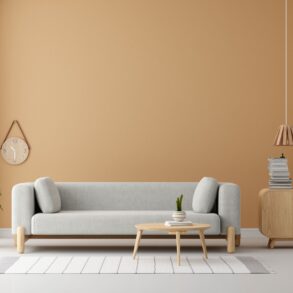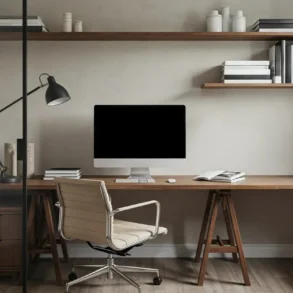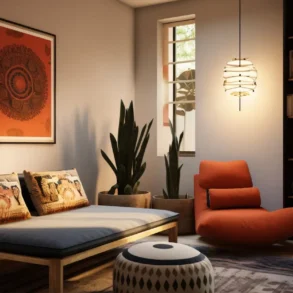



A tidy home feels calm and easy to live in. Yet many storage ideas end up creating the opposite effect. Open shelves overflow with items. Baskets pile up in corners. Furniture becomes buried under boxes. The result looks busy even when everything has a place. Good storage solves this problem. It hides what needs to stay out of sight, keeps daily items easy to reach, and still lets the room look open and pleasant.
The tips below focus on practical ways to store belongings without turning a home into a storage warehouse. These ideas work in small apartments, family houses, and shared spaces around the world. They rely on simple choices that anyone can apply step by step.
Choose furniture that works harder
The best storage often looks like ordinary furniture. Beds with drawers underneath hold extra bedding or out-of-season clothes. Sofas with hidden compartments keep remote controls, blankets, or toys out of view. Ottomans open to store magazines or games. Coffee tables with shelves or lift-up tops offer space without adding extra pieces.
Look for benches with lids near entryways. They give people a place to sit while removing shoes and also hide the shoes themselves. In dining areas, sideboards or cabinets store dishes and linens behind closed doors. When furniture does double duty, the room stays less crowded because fewer separate storage units are needed.
Prefer closed storage over open displays
Open shelves and glass cabinets show everything. That can look stylish when items are carefully arranged, but daily life rarely stays that neat. Closed cabinets, drawers, and cupboards hide the ordinary mess of life. Doors and lids create a clean surface that makes the whole room feel calmer.
In kitchens, solid-front cabinets keep plates, packets, and tools out of sight. In living rooms, media units with doors conceal cables, devices, and games. Bedrooms benefit from wardrobes or dressers instead of open clothing racks. Even a simple set of drawers under a desk can clear a work surface completely. Closed storage does not mean the home becomes dark or heavy. Light-colored doors, simple handles, and good lighting keep the space feeling open.
Use vertical space wisely
Floors fill up quickly. Walls and higher areas often stay unused. Tall bookshelves, wall-mounted cabinets, and floating shelves move storage upward. This frees floor space and makes rooms feel larger.
In narrow hallways, tall slim cabinets hold coats, bags, and cleaning tools. Above doors, a simple shelf can store items used only occasionally. In bathrooms, vertical units or wall cabinets keep toiletries organized without crowding the floor. The key is to keep the highest storage for things used less often. Daily items should stay at easy reach so people do not need stepladders for ordinary tasks.
Group items by how they are used
Storage works better when similar things live together. Keep all cleaning supplies in one cupboard. Place everyday dishes near the dishwasher or sink. Store winter clothes in one area and summer clothes in another. When everything has a clear zone, putting items away becomes faster and finding them takes less time.
Entryways benefit from a small drop zone: hooks for keys and bags, a tray for mail, and a basket for shoes. Kitchens work well with zones for cooking tools, food storage, and cleaning. Living rooms stay tidier when remote controls, chargers, and games each have their own container. Grouping reduces the scattered look that makes a home feel cluttered even when the total amount of stuff is not large.
Select containers that match the room
Baskets, boxes, and bins help organize smaller items, but the wrong ones create visual noise. Choose containers in colors and materials that fit the existing furniture and walls. Neutral tones, natural textures, or simple solid colors blend in rather than stand out.
Woven baskets work well in living rooms and bedrooms. Matching plastic or fabric bins fit inside cupboards. Clear containers help in pantries or craft areas where seeing the contents is useful, but place them inside closed cabinets so they do not dominate the view. Labels help when many similar boxes are used, yet keep the labels simple and consistent so they do not add visual clutter themselves.
Make use of hidden and awkward spaces
Many homes have spots that are easy to ignore. The space under the bed, the area under the stairs, the back of doors, and the corners of cupboards can all become useful storage. Under-bed drawers or rolling boxes hold extra linens or shoes. Stair cupboards can store cleaning tools or seasonal items. Over-door hooks or slim racks hold towels, bags, or cleaning cloths without taking floor space.
In small kitchens, the sides of cabinets or the inside of doors can hold spice racks or small tools. These hidden spots keep frequently used items accessible while the main surfaces stay clear. The room looks open because the storage is not sitting in plain sight.
Keep only what is needed and review regularly
No storage system works if the volume of belongings keeps growing. Regular sorting prevents overload. Every few months, check drawers, shelves, and boxes. Move items that are no longer used to donation, recycling, or proper disposal. Keep the things that are used often or have clear value.
Seasonal rotation helps too. Store heavy winter blankets and coats away during warm months. Bring them back when needed. This cycle keeps the active storage areas lighter and easier to maintain. A home stays tidy more easily when the total amount of items matches the available space.
Create easy daily habits around storage
Storage only succeeds when people use it. Place containers where the items naturally land. A basket by the sofa catches remote controls and magazines. A tray near the door collects keys and wallets. Hooks at the right height make hanging coats simple. When the storage matches normal movements, tidying becomes a small habit instead of a big chore.
In shared homes, clear systems help everyone. Simple rules such as “shoes go in the entry basket” or “toys return to the labeled bin” reduce arguments and keep surfaces clearer. The goal is not perfection. The goal is a home that returns to order quickly after daily use.
Balance access and appearance
Some items need to stay visible and easy to grab. Others can stay fully hidden. Everyday dishes, current books, and frequently worn clothes should remain convenient. Rarely used tools, guest linens, and sentimental items can go into deeper or higher storage. This balance keeps the home functional without looking sparse or overly filled.
Good lighting inside cupboards and drawers makes it easier to find things quickly, which encourages people to put items back properly. Soft-close doors and smooth drawers also make the experience pleasant so storage feels helpful rather than frustrating.
A tidy home does not require empty surfaces or matching sets of expensive organizers. It requires thoughtful placement of belongings so that daily life stays smooth and the rooms still feel open. Furniture with built-in storage, closed cabinets, vertical solutions, grouped zones, and simple containers all contribute to this result. Start with one area that feels most crowded. Add one or two practical solutions. Notice how much calmer the space becomes. Over time these small changes add up, and the home stays orderly without looking like a storage facility. Real life produces belongings. Smart storage simply gives them a quiet place to live.