


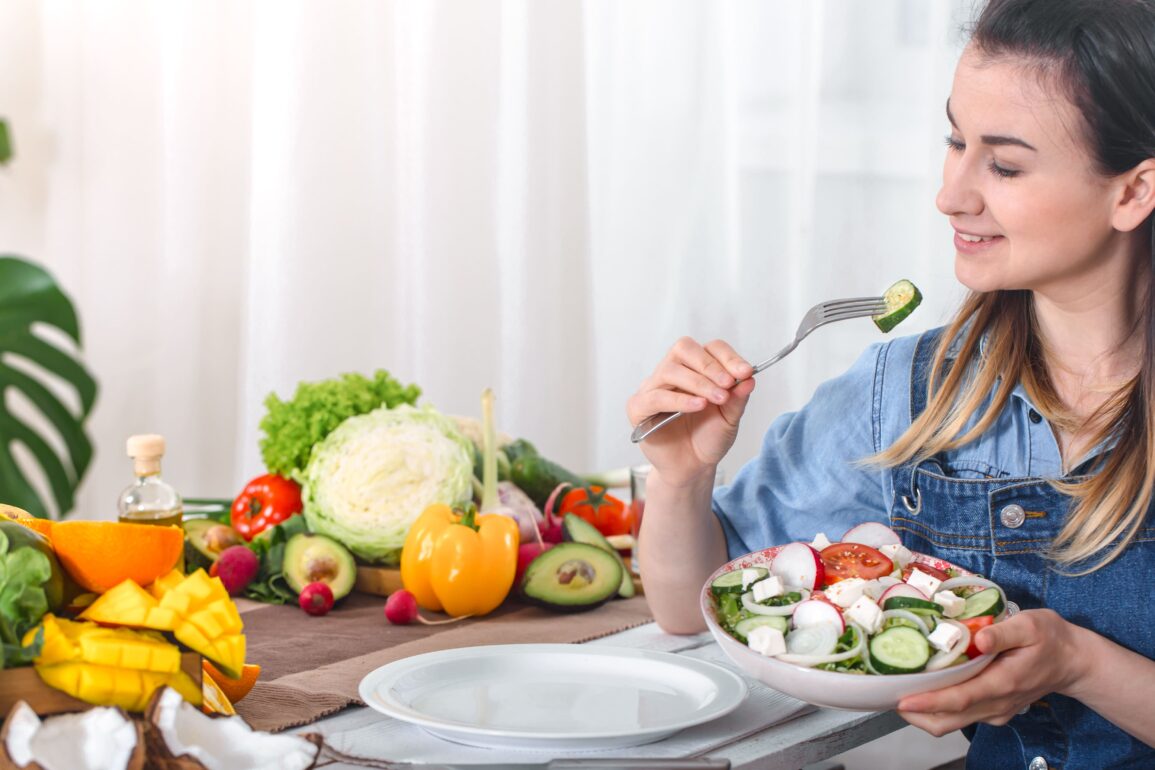
Many people believe that eating healthy means spending a lot of money. Fresh specialty foods, expensive supplements, and fancy packaged products often create this idea. In reality, nutritious meals can be prepared with simple, affordable ingredients that are available in most places around the world. The key is choosing the right foods, planning ahead, and using smart habits in the kitchen.
Healthy eating on a budget is possible for families, students, single people, and anyone who wants better food without stretching their money. Here are practical tips that focus on real value, good nutrition, and lasting habits.
Start with the Right Mindset
The foundation of budget-friendly healthy eating is consistency, not perfection. Meals do not need to look fancy or follow complicated recipes. What matters is getting enough protein, fiber, vitamins, and steady energy from regular foods.
Tip: Focus on whole or minimally processed ingredients most of the time. Foods like beans, lentils, eggs, oats, rice, seasonal vegetables, and frozen produce usually cost less per serving than packaged snacks or ready-made meals. These foods also deliver more nutrition for the money spent.
Another useful approach is to think in terms of building a plate rather than following strict diet rules. Aim for a source of protein, some vegetables or fruit, and a filling base such as rice, potatoes, or whole grains. This simple structure works across many cultures and budgets.
Smart Shopping Habits That Save Money
Shopping wisely makes a big difference. Prices vary by location, season, and store, but certain habits help almost everywhere.
Tip: Make a simple list before going to the market or store and stick to it. Impulse buys often include expensive snacks or items that go unused. Planning three to five main meals for the week reduces waste and unnecessary spending.
Buy seasonal produce whenever possible. Fruits and vegetables that are in season usually cost less and taste better. When fresh options are expensive, frozen vegetables and fruits are excellent alternatives. They are picked at peak ripeness, keep longer, and often cost less than out-of-season fresh produce.
Dried beans, lentils, and chickpeas are among the cheapest sources of protein and fiber available in most countries. Canned versions are convenient too, especially the low-salt kinds. Eggs remain one of the most affordable complete proteins in many places. Oats, rice, and potatoes provide filling energy at low cost.
Tip: Compare prices by weight or unit when possible. Larger packages of staples like rice, oats, or lentils often give better value if storage space and usage allow. Avoid buying more than can be used before it spoils.
Affordable Staples Worth Keeping on Hand
A small set of reliable ingredients can form the base of many meals:
- Dried or canned beans, lentils, and chickpeas
- Eggs
- Oats
- Rice or other affordable grains
- Potatoes or sweet potatoes
- Seasonal or frozen vegetables
- Onions, garlic, and basic spices
- Peanut butter or other nut/seed butters when available at reasonable prices
- Canned fish such as sardines or tuna (when budget allows)
- Seasonal fruits
These foods support balanced meals with protein, fiber, complex carbohydrates, and important nutrients. Spices and herbs, even simple ones, make plain ingredients more enjoyable without adding much cost.
Building Nutritious Meals Without High Costs
Healthy meals do not require long ingredient lists. Simple combinations work well.
One practical pattern is a bean or lentil dish with rice or flatbread and whatever vegetables are affordable that week. Adding an egg or a small amount of yogurt (if available and affordable) increases protein.
Oats can be prepared as a warm breakfast with banana or other fruit, or used in savory ways with vegetables and an egg. Potatoes can be boiled, baked, or lightly pan-cooked and paired with beans or eggs and greens.
Tip: Cook larger batches of beans, lentils, or grains and store portions for later. This saves time and fuel or electricity costs. Leftovers can become the next day’s lunch with minimal extra work.
Stir-fries, simple soups, and one-pot meals stretch ingredients further. A vegetable and lentil soup can feed several people and provide fiber, protein, and vitamins at low cost. Adding a handful of greens or whatever vegetables are on hand improves the nutrient content.
Practical Cooking and Preparation Tips
Cooking at home almost always costs less than buying prepared food. Even basic cooking skills help a lot.
Tip: Learn a few flexible methods that work with many ingredients — boiling, steaming, light pan-cooking, or baking. These methods need little oil and keep more nutrients in the food.
Use leftovers creatively. Extra rice can become a fried-rice style dish with egg and vegetables the next day. Cooked lentils can go into a simple stew or be mashed into a spread.
Reduce food waste by storing food properly and using older vegetables first. Vegetable scraps can sometimes flavor soups. Planning meals around what already exists in the kitchen prevents extra purchases.
When oil or cooking fat is needed, use small amounts. Many flavorful meals can be made with just a little oil plus spices, garlic, or onion.
Common Pitfalls to Avoid
Some habits quietly increase food costs. Buying too many packaged “healthy” products often costs more than preparing simple meals from basic ingredients. Specialty health foods are rarely necessary for good nutrition.
Throwing away food because of poor planning wastes both money and nutrients. Cooking far more than needed without a plan for leftovers can also lead to waste.
Another frequent issue is relying too heavily on one cheap food and neglecting variety. Rotating between beans, eggs, different vegetables, and grains helps cover a wider range of nutrients over the week.
Tip: Start small. Changing everything at once feels overwhelming. Adding one or two budget-friendly habits — such as cooking a pot of lentils each week or switching to frozen vegetables — creates steady progress.
Making It Work Long Term
Healthy eating on a budget succeeds when it fits real life. Meals should taste good enough that people want to keep eating them. Basic spices, herbs, lemon, or vinegar (when available) improve flavor without much cost.
Sharing cooking tasks in a household or preparing food with others can make the process easier and more enjoyable. In some communities, buying certain staples in bulk together also lowers the price per person.
The goal is not perfection on every plate. It is building a pattern of mostly nutritious, affordable meals most of the time. Over weeks and months, these choices support better energy, digestion, and overall health without constant financial pressure.
Simple foods prepared with care remain one of the most reliable ways to eat well on limited money. With planning, a short list of versatile ingredients, and consistent habits, nutritious meals stay within reach for people in many different parts of the world.