


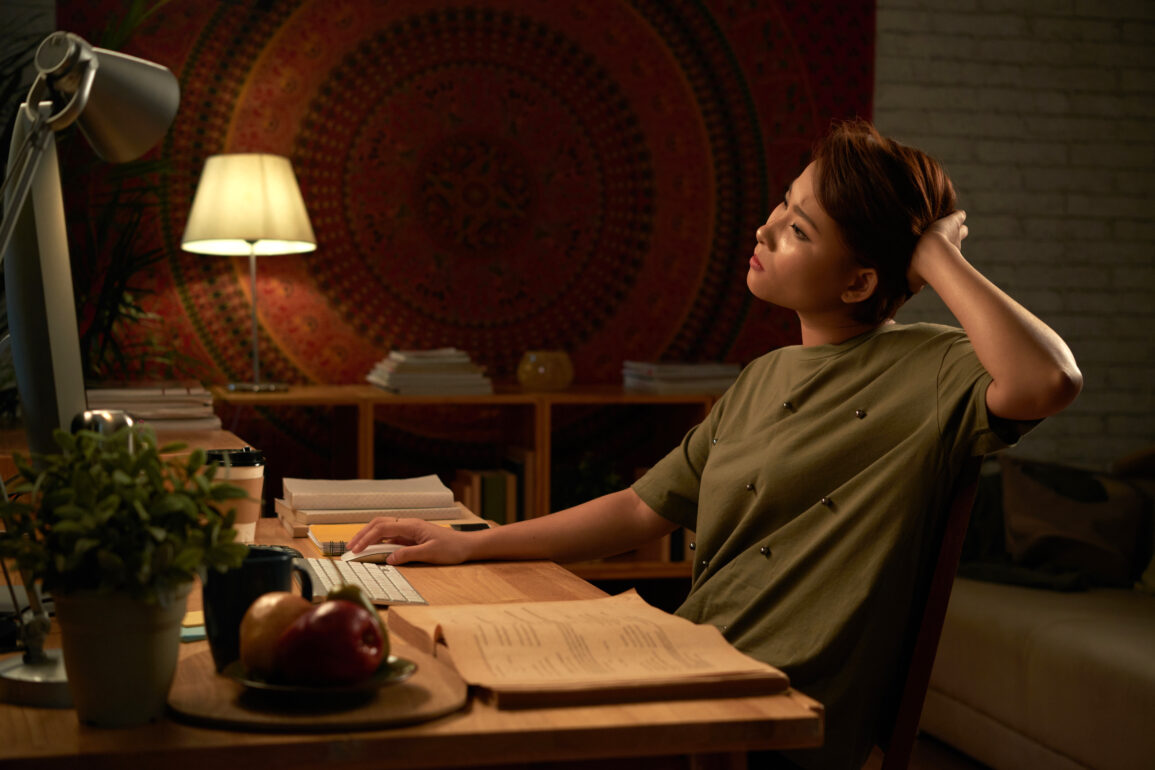
In a world that constantly praises busyness, doing nothing can feel strange or even wrong. Many people feel guilty when they sit still without a task, a screen, or a goal. Yet rest is not the opposite of productivity. In many ways, it is the foundation of it. Without proper rest, focus fades, creativity slows, and energy drains. Learning the art of doing nothing is one of the most useful skills anyone can develop, no matter where they live or how busy life feels.
Here are clear, practical tips that show why rest matters and how to practice it in everyday life.
Understand That Rest Is Not Laziness
Laziness is avoiding effort when effort is needed. Rest is choosing recovery so that effort can be better later. The body and mind are not machines that run forever. They need pauses to repair, process, and reset. When rest is skipped too often, performance drops. Mistakes increase. Motivation disappears. Seeing rest as a necessary part of good work changes the whole relationship with downtime.
Recognize the Hidden Cost of Constant Activity
Many people fill every spare minute with scrolling, messages, podcasts, or small tasks. This creates the feeling of being busy without real progress. The brain stays in a light state of alertness and never fully settles. Over time, this leads to mental tiredness, shorter attention spans, and more stress. Intentional rest breaks that cycle. It gives the mind space to wander, connect ideas, and return clearer.
Learn the Different Types of Rest
Rest is not only sleep. There are several kinds that matter:
- Physical rest: lying down, gentle stretching, or simply sitting without movement.
- Mental rest: stepping away from problem-solving and decision-making.
- Sensory rest: reducing noise, bright lights, and screen stimulation.
- Emotional rest: taking a break from people or situations that drain energy.
- Creative rest: allowing the mind to play freely without pressure to produce something.
Mixing these types throughout the week creates deeper recovery than sleep alone.
Schedule Rest the Same Way Important Work Is Scheduled
If rest is left for “whenever there is free time,” it rarely happens. Treat it like a meeting that cannot be moved. Block short periods in the day or week. Even 15–20 minutes of true stillness can help. Some people rest in the middle of the day. Others protect the first hour after work or a quiet part of the weekend. The exact time matters less than the consistency.
Start With Small Moments of Doing Nothing
Long periods of stillness can feel uncomfortable at first. Begin small. Sit in a chair for five minutes without a phone or book. Look out a window. Notice the feeling of the body against the seat. Walk slowly without headphones. Lie down and simply breathe. These short practices train the mind to accept quiet without immediately searching for distraction.
Protect Rest From Digital Interruptions
Phones and notifications are the biggest enemies of true rest. Put devices in another room or turn them face down during rest periods. Choose one or two times a day to check messages instead of responding to every alert. Creating even small pockets of uninterrupted quiet makes rest more effective.
Notice What Rest Actually Feels Like
Many people have forgotten how rest feels because they rarely experience it. Pay attention during quiet moments. Notice if the shoulders drop, if breathing slows, or if the mind starts to wander in a pleasant way. These signals show that recovery is happening. Over time, the body begins to recognize and even crave these states.
Use Rest to Improve Thinking and Creativity
Some of the best ideas appear when the mind is not forced to work. When the brain is allowed to rest, it continues processing information in the background. Solutions to problems often surface during a quiet walk, a shower, or time spent staring out a window. Protecting space for this kind of open thinking is one of the most practical reasons to practice doing nothing.
Accept That Rest Looks Different for Different People
There is no single correct way to rest. Some people recharge alone. Others feel restored in gentle company. Some prefer silence. Others like soft music or nature sounds. The goal is not to follow a strict method but to find what truly leaves a person feeling more settled and capable afterward. Experiment and notice what works.
Overcome the Guilt That Comes With Resting
Guilt is common, especially in cultures that treat constant activity as a virtue. When guilt appears, gently remind yourself that rest is part of responsible living. A well-rested person is usually kinder, clearer, and more effective. Choosing recovery is not selfish. It benefits the people around you as well.
Build Rest Into Daily and Weekly Rhythms
Look at the shape of the day and week. Where can short pauses fit naturally? A few minutes after lunch. A quiet evening without screens. A slower morning once a week. These rhythms prevent exhaustion before it builds. Rest becomes a regular habit instead of an emergency response when burnout arrives.
Remember That Rest Supports Long-Term Energy
Short bursts of intense effort can feel productive, but they are hard to sustain. Steady energy over months and years comes from balancing work with recovery. People who rest well often achieve more over time because they avoid the crashes that force longer recovery later. Rest is an investment in future capacity.
Doing nothing on purpose is a quiet skill. It does not require special tools, expensive retreats, or perfect conditions. It only requires the decision to stop filling every moment and the patience to sit with the discomfort that sometimes follows. Over time, the discomfort fades and the benefits become clear: sharper thinking, better mood, stronger focus, and a deeper sense of ease in daily life.
In a noisy and demanding world, the ability to rest well is a form of strength. It allows people to show up more fully for work, relationships, and the things that matter most. Start with small, protected moments of stillness. Protect them consistently. Let rest do its quiet work. The results appear not only in how productive life becomes, but in how much more livable it feels.